
Skip to content
Part - of - 0:00 / 0:00
◁◁ 5s
5s ▷▷
Easter Concert
Thursday, March 28, 2024 | KSSF

Easter Concert

Thursday, March 28, 2024 at 19:00 | KSSF | | | [published 2024-05-31]

Easter Concert

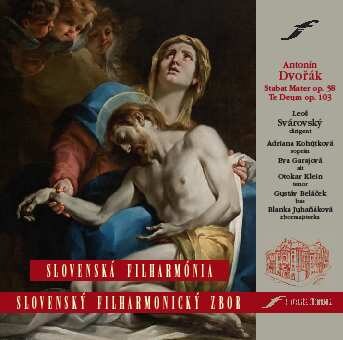
The popularity of Dvořák's work at the end of the 19th century was not limited to his native Bohemia. In 1884, the composer was invited to London where he triumphantly conducted his oratorio Stabat Mater. He composed the work in 1876/1877, when he was experiencing the most tragic period of his life due to the death of three children. Stabat mater is not only an extremely evocative setting to music of Jacopone da Todi's text about the suffering of a mother whose son dies on the cross, but it is also a timeless statement about human sorrow and hope. A characteristic feature of the composition is its unusually noble, thoughtfully serious musical expression, without superficial effects. Although the oratorio's text speaks of the shadowy aspects of human existence, the overall impact of the work is rather positive, bringing faith in life. This optimism in difficult times is typical for Dvořák.

The orchestra, choir, and quartet of soloists will be led by the experienced Slovak conductor Ondrej Olos. The soloists are surely well-known to both the Bratislava and European public, as they regularly perform key roles in several opera houses.

Stabat Mater

## Stála matka bolestivá

Stabat mater dolorosa
juxta Crucem lacrimosa,
dum pendebat Filius.

Stála Matka bolestivá
vedľa kríža ľútostivá,
keď na ňom Syn milý pnel.

Cuius animam gementem,
contristatam et dolentem
pertransivit gladius.

Ach, tej Matke prežalostnej,
zarmútenej a bolestnej
sedmorý meč v duši tkvel.

O quam tristis et afflicta
fuit illa benedicta,
mater Unigeniti!

Ó, jak smutná, doráňaná
bola ona požehnaná
Matka Syna Božieho.

Quae moerebat et dolebat,
pia Mater, dum videbat
nati poenas inclyti.

Jak plakala a trpela
svätá Matka, keď videla
muky Syna milého.

Quis est homo qui non fleret,
matrem Christi si videret
in tanto supplicio?

Ktože by z nás nezaplakal,
keby videl, bolesť aká
je v jej srdci nevinnom.    

Quis non posset contristari
Christi Matrem contemplari
dolentem cum Filio?

Kto by nebol rozžialený,
pozorujúc bolesť Ženy,
ako trpí so Synom.

Pro peccatis suae gentis
vidit Iesum in tormentis,
et flagellis subditum.

Pre hriech ľudu bezbožného
vidí Syna mučeného,
jak ho človek zbičoval.

Vidit suum dulcem Natum
moriendo desolatum,
dum emisit spiritum.

Vidí, ako Syn milený
dokonáva opustený;
dušu Otcu odovzdal.

Eia, Mater, fons amoris
me sentire vim doloris
fac, ut tecum lugeam.

Ó, ty, Matka, žriedlo lásky,
nech prežívam bôľ tvoj ťažký
a nech s tebou nariekam!

Fac, ut ardeat cor meum
in amando Christum Deum
ut sibi complaceam.

Nech mi srdce láskou planie
ku Kristovi neprestajne,
veď on je môj Boh a Pán.

Sancta Mater, istud agas,
crucifixi fige plagas
cordi meo valide.

Svätá Matka, Krista rany,
ktorými bol doráňaný,
hlboko mi v srdce vtlač.

Tui Nati vulnerati,
tam dignati pro me pati,
poenas mecum divide.

Na bolestiach Syna tvojho,
za mňa z lásky trpiaceho,
nech mám podiel, v srdci plač.

Fac me tecum pie flere,
crucifixo condolere,
donec ego vixero.

Daj, nech s tebou plačem, kvílim
a nech s Kristom spolucítim,
kým len tuná budem žiť.

Juxta Crucem tecum stare,
et me tibi sociare
in planctu desidero.

Pod krížom stáť s tebou túžim,
k tebe v žiali sa pridružím
a chcem s tebou žalostiť.

Virgo virginum praeclara,
mihi iam non sis amara,
fac me tecum plangere.

Panna panien prevznešená,
aj pre mňa si zúbožená,
preto s tebou nariekam.

Fac, ut portem Christi mortem,
passionis fac consortem,
et plagas recolere.

Daj, nech Kristovu smrť nosím
a na kríži účasť prosím,
rany jeho uctievam.

Fac me plagis vulnerari,
fac me Cruce inebriari,
et cruore Filii.

Raň ma bôľmi Krista Pána,
svätým krížom opoj aj mňa
aj krvou Nevinného.

Flammis ne urar succensus,
per te, Virgo, sim defensus
in die iudicii.

A pred večným ohňom chráň ma,
pomáhaj mi, svätá Panna,
v deň súdu posledného.

Christe, cum sit hinc exire,
da per Matrem me venire
ad palmam victoriae.

Nech je mi kríž útočišťom,
Kristova smrť – život s Kristom;
vyprosuj mi milosti.

Quando corpus morietur,
fac, ut animae donetur
paradisi gloria.
Amen.

A keď moje telo skoná,
daj, nech moja duša spozná
život rajskej radosti.
Amen.
POLAKOVIČOVÁ, Viera. Stabat mater v Slovenskej filharmónii. In: SME Blog [online]. 29 March 2024 [viewed 16 August 2026]. [in Slovak] blog.sme.sk/vierapolakovicova/kultura/stabat-…

Citations follow STN ISO 690 (D. Katuščák methodology) – Copy citation puts one on your clipboard.

This concert was recorded for you by StreamBoyz+ of the Slovak Philharmonic : Marek Piaček video producer, post-production, Andrej Osvald lights, sound, Stano Beňačka camera, editor, Peter Gonda IT supervisor
© Slovak Philharmonic 2024
Concert was published on Friday, May 31, 2024.
Bulletin
Open bulletin
Scan QR code for mobile view
Quick help
Open help Press Space to start playback. F for fullscreen. to seek. All shortcuts via ?
Clicking next to the concert title saves it to your Favorites – always within reach under the star in the page header. Click again to take it off the list. Without signing in the list is kept in this browser, so you will not see it on another device.
Clicking next to the concert title is a vote in the chart – the more hearts a concert collects, the higher it climbs in the hit parade. No sign-in needed; click again to take your heart back.
Clicking the icon copies a link directly to the tab you are currently viewing – whoever you send it to lands right there.
Team
This concert was recorded for you by StreamBoyz+ of the Slovak Philharmonic: Marek Piaček video producer, post-production, Andrej Osvald lights, sound, Stano Beňačka camera, editor, Peter Gonda IT supervisor © Slovak Philharmonic 2024
Tap Share, then Add to Home Screen.

Otočte zariadenie

Aplikácia je optimalizovaná
pre zvislý displej