Performers
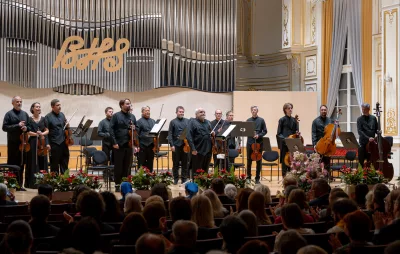
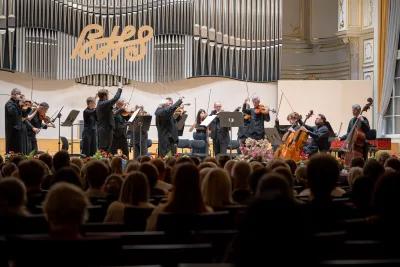
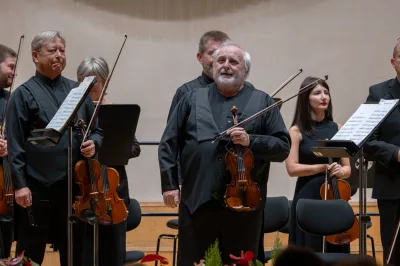
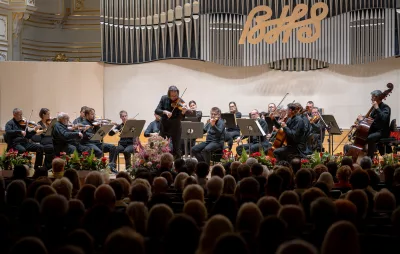
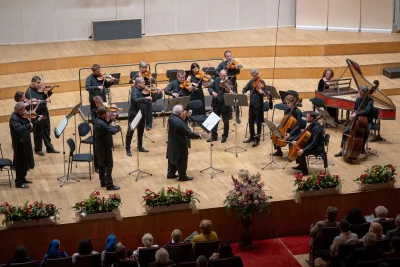
- Slovak Chamber Orchestra
- Ewald Danel artistic leader
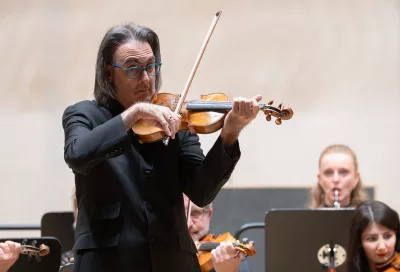
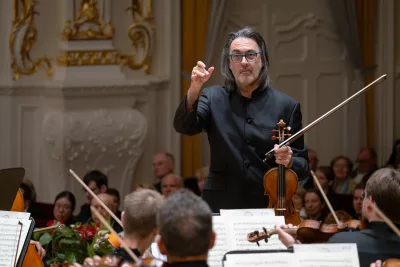
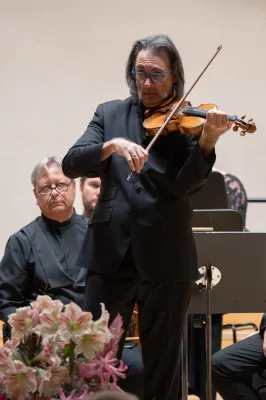
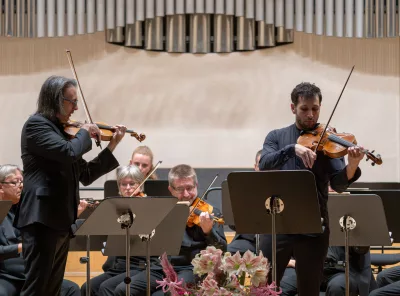
- Leonidas Kavakos violin
- Ilias Livieratos viola
Programme
In the 1920s, the Greek composer Nikos Skalkottas (1904–1949) was one of the most gifted students in Arnold Schoenberg's composition class at the Berlin Academy of Music. During his studies he thoroughly absorbed his teacher's principles of twelve-tone music, which he went on to develop creatively in his own works. The Five Greek Dances for String Orchestra were written in 1946 as a selection from the composer's extensive cycle of 36 dances and are among his best-known pieces. Unlike most of Skalkottas's avant-garde output, this work is tonal, accessible to a wide audience and strongly inspired by Greek folklore.
The Violin Concerto No. 3 in G major, K. 216 is perhaps the best known of Mozart's five concertos for the instrument. It is a mature work, even though the composer wrote it at the age of nineteen. Mozart composed the Sinfonia concertante in E-flat major for violin, viola and orchestra in Salzburg in 1779, after returning from his concert tour of Europe. Its moving second movement, Andante, was probably written in the shadow of the death of the composer's mother.
This year's prominent guests at the BHS also include the Greek violin virtuoso and conductor Leonidas Kavakos, winner of several international competitions, including the Sibelius, Paganini and Naumburg competitions as well as the International Violin Competition of Indianapolis. After the masterclasses he gave in Bratislava last year, he returns to let his 1734 Stradivarius sing once again. Alongside Mozart and the Greek dances, the programme also features Musica Istropolitana, Op. 73, written in 1974 by Alexander Moyzes, a leading figure of Slovak musical modernism, for the Slovak Chamber Orchestra under Bohdan Warchal. The title refers to Bratislava and its deep-rooted humanist tradition.
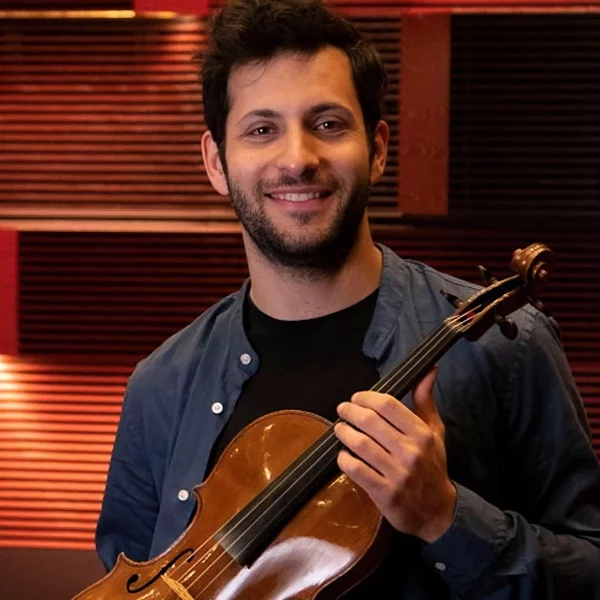
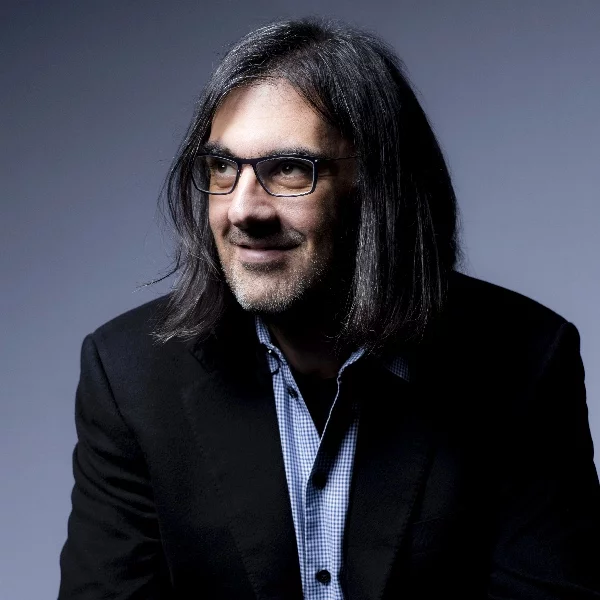
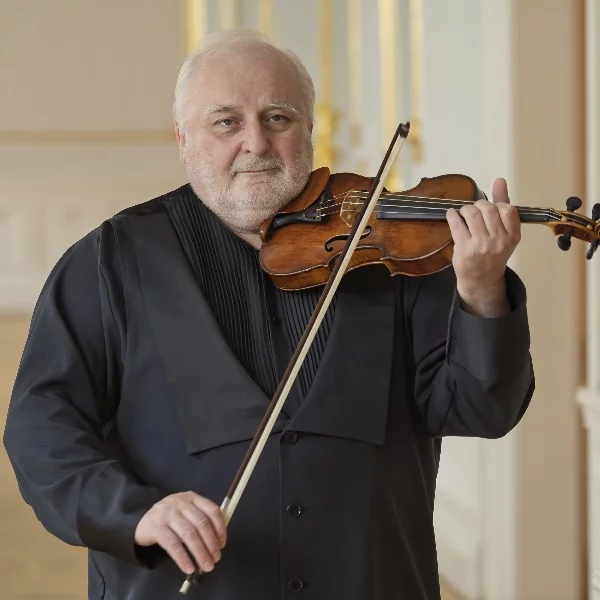
Photo gallery 9
Media coverage 2
Sources 2
Links on today's web 5
Not part of the concert’s sources: these are present-day pages about the performers, ensembles, composers and works, added by the archive’s editors.